
A two‑day, in‑person training programme designed to help European government employees meet the AI literacy requirement of Article 4 of the EU AI Act and strengthen cybersecurity resilience in today’s smart‑office environment. The programme blends policy awareness, practical demonstrations, hands‑on workshops, and secure digital‑behaviour training.
Target audience: Policy staff, administrative staff, managers
Format: In‑person
Duration: 2 days
Methods: Speaking sessions, eight workshops, group exercises, demonstrations, certificate awards
Participants gain a practical understanding of:
Training Fee Inclusions
The seminar fee provides a complete package of services designed to support learning, comfort, and meaningful participant engagement.
Catering Services
Daily provision of two coffee breaks and one lunch, ensuring participant comfort and creating opportunities for informal networking throughout the programme.
Experiential Learning Session: Event Reception & Dinner
This session strengthens the seminar experience by fostering professional connections and reflective dialogue in an informal setting.
- Event Reception — A hosted gathering that encourages participants to exchange perspectives, build networks across institutions, and engage in open discussion following the day’s sessions.
- Dinner — A seated dinner offering a collegial environment for continued conversation, cross‑cultural interaction, and community building among participants.
Participant Recognition
Actively engaged participants receive a group family photo and selected souvenirs as a token of appreciation and a lasting memory of the seminar.
Digital Materials
Opening Welcome (09:00–09:30)
Introduction to the role of AI and cybersecurity in smart European workplaces and the challenges facing public institutions.
EU AI Act and Cybersecurity Act (09:30–10:00)
Clear overview of regulatory obligations, safeguards, and workplace implications.
10
Workshop 1 — AI in the Modern Office (10:00–11:15) Topics include:
Demonstrations:
Exercise: Prompting practice for summarising a report and drafting a briefing note.
Workshop 2 — Responsible Use of AI in Government (11:15–12:30) Topics include:
Case study: Confidential data uploaded to a public AI chatbot — what went wrong and how to prevent it. Exercise: Safe vs. unsafe AI use cases.
Lunch Time (12:30–13:30)
Workshop 3 — Threats Targeting Government Offices (13:30–14:45) Topics include:
Exercise: Phishing‑email and file‑classification simulation.
Coffee Break (14:45–15:15)
Workshop 4 — Building a Secure Digital Workplace (15:15–16:30) Topics include:
Exercise: Digital‑habits self‑assessment.
Closing Remarks & Q&A (16:30–17:00)
Opening Remarks & Recap (09:00–09:30)
Workshop 5 — Workplace Safety, Data Protection, GDPR & Privacy (09:30–11:30) Topics include:
Exercise: Document‑sensitivity classification.
Coffee Break (11:30–11:45)
Workshop 6 — Secure Digital AI Tools in Smart Offices (11:45–12:45) Topics include:
Exercise: Secure‑meeting simulation.
Lunch (12:45–13:45)
Workshop 7 — Human Error and Digital Misunderstandings (13:45–15:00) Focus on phishing targeting EU ministries, local administrations, and hospitals. Topics include:
Activity: Role‑play scenarios, including suspicious calls from “IT support.”
Coffee Break (15:00–15:15)
Workshop 8 — Everyday AI Tools and Digital‑Security Toolkits (15:15–16:30) Topics include:
Group activity: Create a personalised My Secure Digital Workplace Plan.
Final Exercise — AI & Cybersecurity Simulation (16:30–17:15) Scenario: A phishing attack, suspicious login, and potential data leak. Participants determine:
Outcome: Practical incident‑response experience.
Closing Session & Certificate Awards (17:15–17:45)
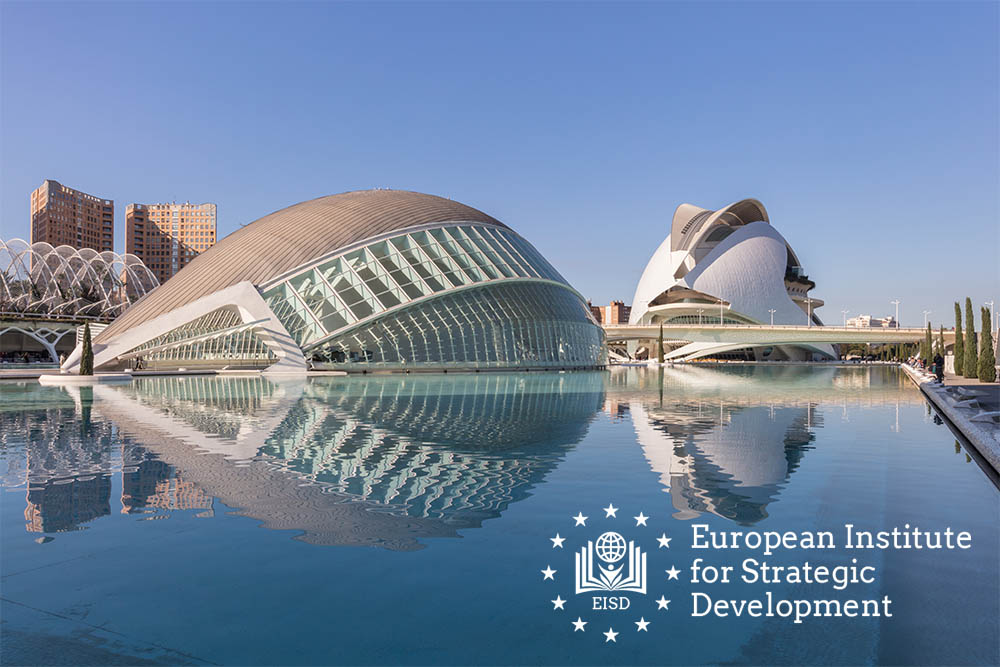
This course will take place in vibrant Valencia on Spain’s Mediterranean coast, offering an inspiring seaside setting for an immersive learning experience where modern city energy meets a relaxed coastal atmosphere.
Please note: In some government institutions, security settings may block the form. If the form does not work, don’t hesitate to email us directly.

🎅 St. Nicholas Day Offer: Book 3, Pay for 2!
This holiday season, secure 3 spots for any 2025 seminar and get one completely FREE – our gift to you!
📅 Offer ends December 6, 2024.
Don’t miss this chance to save and grow with us!