
A 2-Day Capacity-Building Programme for Managing Authorities, Intermediate Bodies & PMUs
Successful implementation of EU-funded projects depends not only on procedures and technical skills—but on how teams work together. Coordination, communication, clarity of roles and joint problem-solving are often the biggest differentiators between blocked projects and fast, efficient delivery.
This 2-day training programme is designed to strengthen the collective capacity of teams working in MAs, IBs and PMUs. Participants will engage in practical, collaborative activities that focus on building stronger teams capable of planning, implementing, controlling and evaluating EU-funded projects with confidence and consistency.
The programme combines team-development exercises, practical case studies, peer learning and hands-on tools to help teams improve how they structure their work, communicate internally, support beneficiaries, and solve operational challenges together.
Main Topics Covered
Day 1 – Building Strong & Effective Teams for EU Project Delivery
Day 2 – Strengthening Implementation Capacity Through Teamwork
Expected Outcomes
Participants will leave the training with:
Who Should Attend
This programme is designed for:
Attendance is particularly encouraged for teams seeking to:
Day 1 – Building Strong & Effective Teams for EU Project Delivery
08:30 – 09:00 | Registration & Networking Coffee
09:00 – 09:30 | Opening Session – Setting the Stage for Collaborative Learning
Interactive Kick-Off Exercise:
Participants map the biggest operational pressures affecting their teams and compare approaches across institutions.
09:30 – 10:45 | Session 1 – Understanding Team Roles Across the EU Project Cycle
Practical Focus: Clarifying responsibilities and improving coordination between teams
This session uses facilitated exercises and real implementation scenarios to explore:
Core Practical Workshop:
Participants work in teams to map responsibilities across a simulated EU-funded project and identify overlaps, bottlenecks and accountability risks.
10:45 – 11:00 | Coffee Break
11:00 – 12:30 | Session 2 – Mapping Team Workflows & Improving Operational Coordination
Practical Focus: Analysing and redesigning internal workflows
Through collaborative exercises, participants will:
Hands-On Team Exercise:
Participants map their own institutional workflows using visual workflow tools and redesign them to improve efficiency and coordination.
12:30 – 13:30 | Lunch Break
13:30 – 15:00 | Session 3 – Collaborative Planning Tools for Better Project Delivery
Practical Focus: Building implementation roadmaps and coordination systems
This highly interactive session introduces practical team-based planning tools, including:
Applied Workshop:
Teams design a practical implementation roadmap for a sample EU-funded project, including responsibilities, deadlines, approvals and coordination checkpoints.
15:00 – 15:15 | Coffee Break
15:15 – 16:30 | Session 4 – Identifying Team Strengths, Gaps & Communication Risks
Practical Focus: Diagnosing team performance under implementation pressure
Using group diagnostics and practical exercises, participants will explore:
Interactive Group Exercise:
Participants conduct a structured assessment of their team’s operational strengths and weaknesses and develop improvement priorities.
16:30 – 17:00 | Day 1 Reflection & Peer Exchange
Day 2 – Strengthening Implementation Capacity Through Teamwork
09:00 – 09:15 | Recap of Day 1 & Introduction to Day 2 Simulation Exercises
09:15 – 10:45 | Session 5 – Team Strategies for Managing Complex Implementation Challenges
Practical Focus: Coordinating technical, procurement and compliance functions
This simulation-based session focuses on:
Implementation Simulation Exercise:
Teams respond to a complex project implementation scenario involving procurement delays, permitting issues and compliance risks.
10:45 – 11:00 | Coffee Break
11:00 – 12:30 | Session 6 – Team-Based Risk Management, Verification & Monitoring
Practical Focus: Solving implementation problems collaboratively
Participants work through practical monitoring and verification exercises focused on:
Problem-Solving Workshop:
Teams analyse real implementation challenges and apply structured team-based problem-solving techniques to develop solutions.
12:30 – 13:30 | Lunch Break
13:30 – 15:00 | Session 7 – Creating Team Norms for High-Pressure Implementation Environments
Practical Focus: Strengthening cooperation, accountability and performance culture
This session uses facilitated group exercises to explore:
Interactive Team Exercise:
Participants develop a practical “Team Cooperation Charter” defining communication standards, escalation rules and collaboration principles.
15:00 – 15:15 | Coffee Break
15:15 – 16:30 | Session 8 – Developing Institutional Team Improvement Action Plans
Practical Focus: Translating workshop outcomes into operational improvements
In the final hands-on session, participants will:
Final Practical Workshop:
Each participating team develops and presents a Team Improvement Action Plan focused on improving coordination, implementation capacity and project delivery performance.
16:30 – 17:00 | Final Discussion, Evaluation & Closing
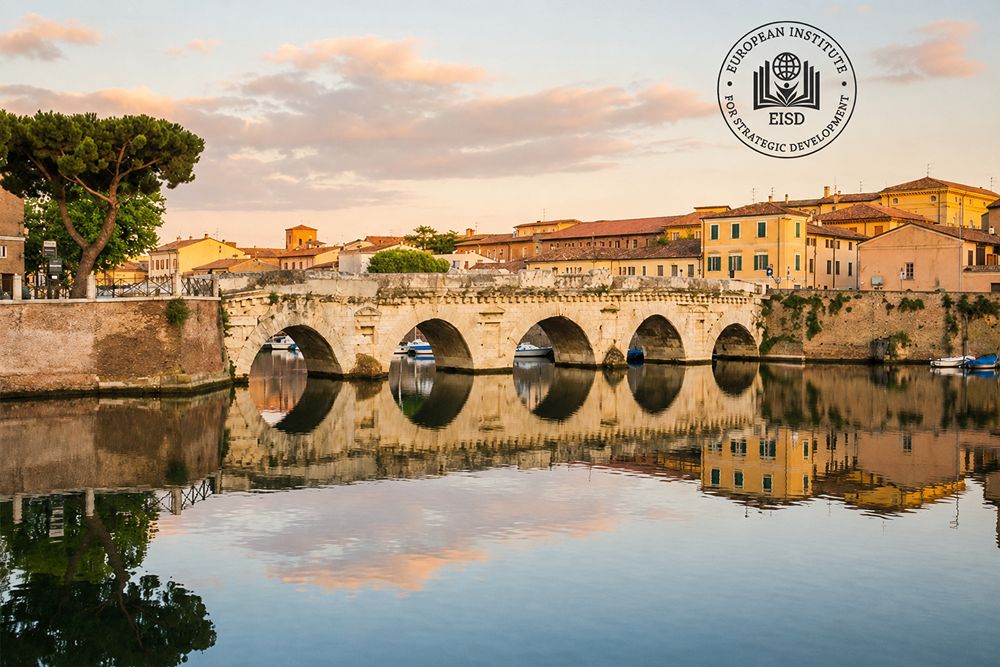
Discover the charm of Rimini, a beautiful coastal city nestled along the Adriatic Sea. Known for its golden beaches, vibrant nightlife, and rich Roman history, Rimini offers the perfect blend of relaxation and culture. Stroll through ancient streets, explore the iconic Tiberius Bridge, or simply soak up the sun by the sea. Rimini is not just a destination—it’s an unforgettable experience. Whether you’re a lover of art, history, or la dolce vita, Rimini will capture your heart. Join us there and see Italy in its most authentic and lively form!
In addition to comprehensive training materials, the seminar fee covers the following:
