Comprehensive guide to EU Funds 2021-2027 including emerging post 2027 insights: Key Elements,Obligations, and Policies, preparation of programmes, SCO, FNLC, indicators, STEP, RRF, DNSH, NEB, JTM, FI’s, AI, Selection criteria, N+3, Territorial development and Harnessing talents, MTR and MTR 2, post 2027 MFF proposal with emphasis on NRPP

How can we effectively implement EU Funds 2021-2027? We’ll explore simplification measures like REACT-EU and CARE, and how Cohesion Policy 2021-2027 has helped tackle crises, and how Cohesion Policy evolved over time. What are the key differences between Cohesion Policy and the Recovery and Resilience Fund? How does interplay between Cohesion Poilicy and RRF  influence the post-2027 period?

What are the key updates in CPR, ERDF/CF, and ESF+? How do we program and implement JTF? We’ll discuss enabling conditions for innovations and sustainable development, and examine the performance framework and indicators.

How can we transfer good practices from 2014-2020? Leassons learnt about SCOs, FNLC and AI. What are main expected results from ESF+ and what is it’s relation to European Pillar of Social Rights?

We’ll cover selection criteria for ERDF, ESF+, and JTF, and practical recommendations for forms of support in 2021-2027. while focusing on new types of financial instruments. How do we programme Cohesion Policy? How do we align EU goals with national and regional needs? What is the partnership approach, and how does the Do Not Significant Harm principle fit in Cohesion Policy implementation?

Is it a bird, is it a plane? Or is it simultaneously N+3 and N+2 rule? Let’s dive into the realm of obligatory yearly expenditure of programmes.

Finally, we’ll look at territorial approaches and the New European Bauhaus initiative, what is the STEP framework and learn about Talent Booster Mechanism as well.

What will you learn?

  • What are the key, practical novelties in Cohesion Policy 2021-2027 and RRF;
  • How to handle concrete new tools: Grants under Conditions, New Financial Instruments, Do Not Significant Harm principle, New European Bauhaus, Territorial Approach, Just Transition Mechanism, Smart Specialisations in EU Funds 2021-2027;
  • How to work with the different types of selection criteria in ERDF, ESF+ and JTF: horizontal, thematic and strategic context;
  • How to implement EU Funds 2021-2027 at the national and regional level in practice and meet key requirements: eligibility rules, simplified cost options, output and outcome indicators, new info-promo obligations;
  • Framework for STEP and what is STEP all about.


WHO SHOULD ATTEND?

Our seminars are designed for public-sector professionals, EU Funds experts and other stakeholders involved in the planning, programming, implementation, management, monitoring, verification, audit and control of EU-funded programmes and projects, including:

  • Managing Authorities and Intermediate Bodies
  • Certifying and Audit Authorities
  • Ministries and Central Government Authorities
  • Regional and Local Governments
  • EU Funds Programme and Project Managers
  • EU Funds Beneficiaries and Implementing Bodies
  • Financial Management, Control and Verification Officers
  • Auditors, Internal Auditors and Compliance Professionals
  • Anti-Fraud, Anti-Corruption and Anti-Money-Laundering Professionals
  • National, Promotional and Investment Banks
  • Regional Development Agencies and Public Investment Bodies
  • Policy Makers and Senior Decision-Makers
  • Public Procurement and Financial Management Professionals
  • Consultants and Professional Advisers working with EU Funds
  • International, national and local associations and networks
  • NGOs and non-profit organisations involved in EU-funded programmes
  • Businesses and private-sector organisations involved in EU-funded projects
  • Universities, research institutions and experts working on EU-funded initiatives
  • Other stakeholders involved in the implementation, management and control of EU Funds
Designed for professionals at different levels

Whether you are involved in strategic programming, day-to-day programme management, project implementation, financial management, monitoring, verification, audit, compliance or policy development, our seminars provide practical knowledge and tools that can be applied directly in your professional environment.


The seminar will take place at:
Hotel West End Nice
31 Promenade des Anglais
06000 Nice, France
Day 1
8:30-9:00 Registration and Welcome Coffee
9:00-9:15 Introduction and starting quiz
9:15-10:30 Warming up session – Cohesion Policy in Times of Permanent Change:

• Simplification measures: REACT-EU, CARE, SAFE, CRII – lessons learnt
• How did Cohesion Policy 2021-2027 and post 2027 contribute to overcome the package of crises (pandemic, economic, migration, cohesion)?
• Cohesion Policy and the Recovery and Resilience Found: key similarities and differences between the two instruments and how does this affect implementation on the ground?
• Framework for STEP and what is STEP all about.
• Never-ending story: how does the implementation of Cohesion Policy influence post 2027 period?
• Discussion round

10:30-10:45 Coffee Break & Networking
10:45-12:30 Key novelties and new obligations in EU Funds 2021-2027 in practice

• CPR, ERDF/CF, ESF+ – novelties and new obligations
• N+3 rule
• What if JTF and how to programme and implement it?
• Enabling conditions (innovations, transport, sustainable and social development)
• Performance framework and indicators
• Case study: System of management and control 2021-2027

12:30-13:30 Lunch time
13:30-14:30 Transferring good practices and checked solutions 2014-2020 to 2021-2027:

• Introduction of Artificial Intelligence (AI) in management and control of EU Funds
• Lessons learnt about simplifications – FNLTC
• Lessons learnt about simplifications – Simplified Cost Options
• Main goals and expected results for ESF+

14:30-14:45 Coffee Break & Networking
14:45-15:45 Workshop: working with the selection criteria (ERDF / ESF+ / JTF):

• Minimum horizontal standards
• Thematic priorities
• Strategic bonuses
• Combining points and weights
• Case study: How to prepare the optimal package

15:45-16:00 Q&A session and the main first day’s conclusions
Day 2
8:30-9:00 Warmup Coffee
9:00-9:15 From yesterday’s conclusions to today’s introduction
9:15-10:30 Forms of support in 2021 – 2027 – practical recommendations:

• Specificity of: ERDF / ESF+ / JTF
• Grants versus Financial Instruments
• Novelty: Capital rebate
• Case study: innovations – key details

10:30-10:45 Coffee Break Inspirations
10:45-12:30 Workshop: Programming EU Funds at my (national/regional) level:

• Regulatory framework
• EU goals – National priorities – Regional and local needs
• Partnership approach
• Novelty: Do Not Significant Harm principle
• Case studies: ERDF, CF and JTF somewhere in EU…

12:30-13:30 Lunch Time
13:30-14:15 Complex Territorial Approach

• Types of territorial approaches
• Novelty: New European Bauhaus
• Case studies: everywhere in EU

14:15-14:30 Coffee Break Reflections
14:30-15:30 Group Workshop: My dream project – ERDF / ESF+ / JTF (the choice is yours )

Expert

Mr. Lovro Novoselac is currently head of Sector for programming, coordination and strategic monitoring of the ESI Funds. As such, he coordinates programming and implementation of the European Structural and Investment Funds in Croatia in Shared Management Funds in periods 2014-2020 and 2021-2027 (ERDF, CF, ESF+, JTF, EMFAF etc.). He has an over 10 years of thorough expertise in EU funds starting with day to day communication with project beneficiaries, project cost verification, publishing calls for proposals, participation in project selection committees and lately more in programming of EU funds, coordination of complementarities and synergies between EU funds, organisation of Monitoring Committees, planning of national strategic documents relevant to EU funds etc.

Lovoro Novoselac

Head of Sector for programming, coordination and strategic monitoring of the ESI Funds at Ministry of Regional Development and EU Funding of Croatia

Do you have more questions?

Contact us

Your contact person

Contact form

Nice, France

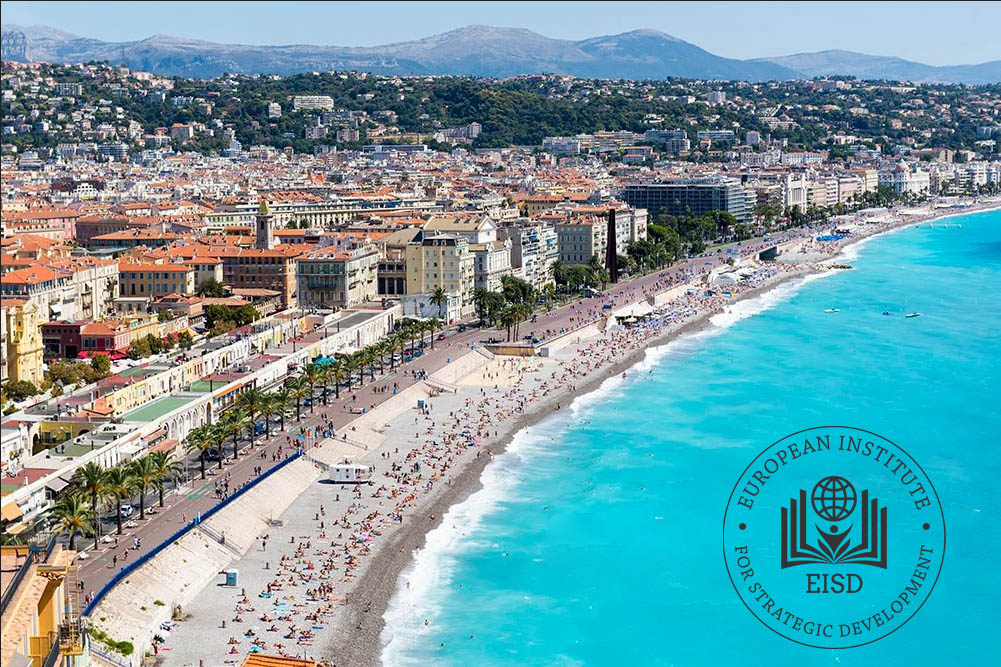
This course will take place in beautiful Nice, France, offering a perfect mix of Mediterranean atmosphere, stunning coastline, and an inspiring setting for an engaging learning experience.

Training Fee Inclusions

In addition to comprehensive training materials, the seminar fee covers the following:

a) Full Seminar Access
• Full programme access — admission to all seminar sessions, expert presentations, case‑based discussions, and practical exercises forming the core of the training programme.
b) Training Materials
• Training materials package — professionally prepared printed and digital materials supporting the learning process and enabling continued study after the seminar.
c) Catering Services
• Daily catering services — daily provision of  coffee breaks and one lunch, ensuring participant comfort and creating opportunities for informal networking.
d) Experiential Learning Session: Guided Tour & Culinary Exploration
• Guided cultural tour — a professionally guided tour offering insights into the cultural and historical context of the region, designed to complement seminar discussions through direct exposure to local heritage.
• Culinary exploration — a structured food‑street tasting experience curated to highlight the diversity of local culinary practices and their socio‑economic significance, fostering intercultural understanding and dialogue among participants.
e) Participant Recognition
• Group photo and souvenirs — a group family photo and selected souvenirs provided to actively engaged participants as a token of appreciation and a memorable keepsake of the seminar.
f) Certificate of Attendance
• Certificate of Attendance — issued to participants who complete the full seminar programme, formally recognising their participation and learning achievement.

ENROLL

Enrollment for this course is now closed, but you can explore our available courses.