Implementing EU Funds 2021–2027 and Designing the Post‑2027 System: N+3, Closure, NRPPs and Simplified Programming for 2028–2034

OVERVIEW

The first day of the seminar is expected to focus on the effective implementation of EU Funds for 2021-2027. Participants will explore differences and synergies between Cohesion Policy and the Recovery and Resilience Fund (RRF), considering how these elements set the stage for the post-2027 period. The agenda also covers critical updates to EU regulations (CPR, ERDF/CF, ESF+), programming and implementation of the Just Transition Fund (JTF), and enabling conditions for innovation, sustainability, and performance monitoring.

Further, the day will address the transfer of good practices from the 2014-2020 period, lessons on Simplified Cost Options (SCOs), Financing Not Linked to Costs (FNLC), and the use of AI. The session will also delve into Cohesion Policy programming, aligning EU goals with local needs, partnership approaches, the Do No Significant Harm principleannual expenditure rules (N+3/N+2) and  give guidance on closure, introduce new territorial strategies, the New European Bauhaus initiative, STEP framework, and Talent Booster Mechanism.

Second and third day will focus on future. The post-2027 EU budget introduces a fundamentally different delivery architecture for EU Funds, centred on National and Regional Partnership Plans (NRPPs), a more agile Multiannual Financial Framework (MFF) and a strong shift towards performance-based implementation, including Financing Not Linked to Costs (FNLC) and expanded use of Simplified Cost Options (SCOs).

This advanced, practice-oriented seminar provides participants with a comprehensive understanding of the new programming logicregulatory requirements, and practical implementation implications for Member States, managing authorities, and other key stakeholders preparing for the 2028–2034 period.

The seminar builds on concrete regulatory proposals, European Court of Auditors findings, real-life examples from the 2021–2027 period, and lessons learned from the RRF, translating them into actionable guidance for NRPP preparation, costing, indicators, and management systems.


WHAT WILL YOU LEARN?

How to effectively implement EU Funds for 2021–2027, including understanding key differences between Cohesion Policy and the Recovery and Resilience Fund, and updates to core EU regulations.

What are the best practices from previous funding periods, explore lessons on Simplified Cost Options, Financing Not Linked to Costs, AI integration, and receive guidance on programming, partnership approaches, compliance principles, expenditure rules, closure procedures, and new initiatives like the New European Bauhaus.

How the post2027 EU budget will fundamentally change EU Funds programming and implementation, including the shift to National and Regional Partnership Plans and a more agile Multiannual Financial Framework

How to design and implement performancebased measures, using Financing Not Linked to Costs (FNLC), milestones, targets and output indicators

How to correctly apply Simplified Cost Options (SCOs) under both EC–Member State and Managing Authority–Beneficiary relationships, including audit and control implications

How to prepare robust exante costing and payout value logic, aligned with the Performance Regulation, indicators and N+1 requirements

How management, control and audit systems will evolve post2027, and what this means in practice for managing authorities, beneficiaries and auditors


WHO SHOULD ATTEND?

Our seminars are designed for public-sector professionals, EU Funds experts and other stakeholders involved in the planning, programming, implementation, management, monitoring, verification, audit and control of EU-funded programmes and projects, including:

  • Managing Authorities and Intermediate Bodies
  • Certifying and Audit Authorities
  • Ministries and Central Government Authorities
  • Regional and Local Governments
  • EU Funds Programme and Project Managers
  • EU Funds Beneficiaries and Implementing Bodies
  • Financial Management, Control and Verification Officers
  • Auditors, Internal Auditors and Compliance Professionals
  • Anti-Fraud, Anti-Corruption and Anti-Money-Laundering Professionals
  • National, Promotional and Investment Banks
  • Regional Development Agencies and Public Investment Bodies
  • Policy Makers and Senior Decision-Makers
  • Public Procurement and Financial Management Professionals
  • Consultants and Professional Advisers working with EU Funds
  • International, national and local associations and networks
  • NGOs and non-profit organisations involved in EU-funded programmes
  • Businesses and private-sector organisations involved in EU-funded projects
  • Universities, research institutions and experts working on EU-funded initiatives
  • Other stakeholders involved in the implementation, management and control of EU Funds
Designed for professionals at different levels

Whether you are involved in strategic programming, day-to-day programme management, project implementation, financial management, monitoring, verification, audit, compliance or policy development, our seminars provide practical knowledge and tools that can be applied directly in your professional environment.

The seminar will take place at:
Athens Hotel Royal Olympic
28-34 Athanasiou Diakou Str.
117 43, Athens,

Day 1 — EU Funds 2021–2027: Key Developments, Obligations and Lessons Learned

08:30–09:00 | Registration & Welcome Coffee

09:00–09:15 | Introduction & Starting Quiz

  • Welcome and introduction to the seminar
  • Starting quiz and overview of the programme

09:15–10:30 | Cohesion Policy and the Recovery and Resilience Facility

  • Key similarities and differences between the two instruments
  • How these differences affect implementation on the ground

10:30–10:45 | Coffee Break & Networking

10:45–12:30 | Key Novelties and New Obligations in EU Funds 2021–2027: Practical Implementation

  • CPR, ERDF/CF and ESF+ — novelties and new obligations
  • What is the Just Transition Fund (JTF), and how should it be programmed and implemented?
  • Enabling conditions: innovation, transport, sustainable and social development
  • Performance framework and indicators
  • Case study: Management and Control System (MCS) 2021–2027

12:30–13:30 | Lunch

13:30–14:30 | Transferring Good Practices and Tested Solutions from 2014–2020 to 2021–2027

  • Lessons learned on simplifications — Financing Not Linked to Costs (FNLTC)
  • Lessons learned on simplifications — Simplified Cost Options (SCOs)

14:30–14:45 | Coffee Break & Networking

14:45–15:45 | Selected Current Topics

  • The Strategic Technologies for Europe Platform (STEP): framework and practical implications
  • The New European Bauhaus
  • Talent Booster Mechanism
  • Partnership approach
  • The “Do No Significant Harm” (DNSH) principle
  • The N+3 rule
  • Guidance on programme closure

15:45–16:00 | Q&A & Key Conclusions from Day 1


Day 2 — The 2028–2034 Framework: Priorities, Partnership Plans and Management Systems

09:00–10:30 | The 2028–2034 Multiannual Financial Framework: Priorities, Architecture and Implementation Dynamics — Part 1

  • Strategic priorities and policy shifts for 2028–2034
  • Financial architecture and distribution across MFF budget headings
  • Simplification, performance and delivery mechanisms
  • Flexibility, agility and contingency tools in the new MFF

10:30–10:45 | Coffee Break & Networking

10:45–12:30 | National and Regional Partnership Plans — Part 1

  • Requirements for the Partnership Plan: chapters, measures and related elements
  • Costing and its relationship with the Performance Regulation
  • Output indicators and horizontal targets
  • Payout values, payments and the N+1 rule

12:30–13:30 | Lunch

13:30–14:30 | National and Regional Partnership Plans — Part 2

  • Requirements for the Partnership Plan: chapters, measures and related elements
  • Costing and its relationship with the Performance Regulation
  • Output indicators and horizontal targets
  • Payout values, payments and the N+1 rule
  • Practical considerations for programming and implementation

14:30–14:45 | Coffee Break & Networking

14:45–16:00 | Management and Control Systems (MCS)

  • Regulatory and practical differences between Cohesion Policy and RRF Management and Control Systems
  • Post-2027 regulatory outlook for National and Regional Partnership Plan (NRPP) Management and Control Systems

Day 3 — Practical Workshop: Preparing for Simplified Programming Post-2027

09:00–10:30 | Workshop: Preparing for Simplified Programming of Post-2027 NRPP Measures — Part 1

  • Group work on National and Regional Partnership Plans (NRPP)
  • Developing measures and descriptions of measures
  • Indicative allocations for measures
  • Setting output and result indicators

10:30–11:00 | Coffee Break

11:00–12:30 | Workshop: Preparing for Simplified Programming of Post-2027 NRPP Measures — Part 2

  • Group work on milestones and targets
  • Setting payout values
  • Defining expected payments
  • Practical application of the concepts covered during the seminar

12:30–13:30 | Lunch

13:30–14:00 | Seminar Closing & Certificate Ceremony
  • Final reflections and key takeaways
  • Closing remarks
  • Hand-out of certificates of participation
  • Farewell and networking

Expert

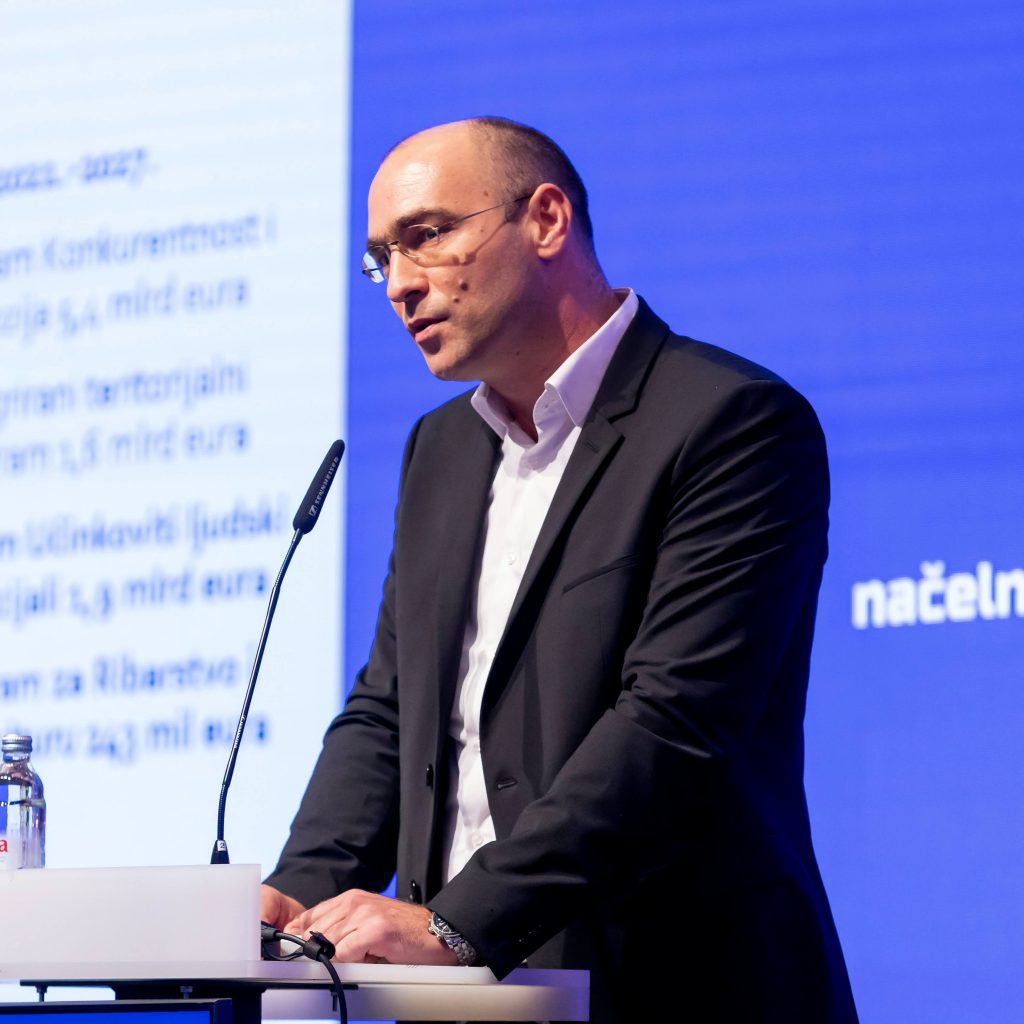
Lovoro Novoselac

Lovoro Novoselac

Head of Sector for programming, coordination and strategic monitoring of the ESI Funds at Ministry of Regional Development and EU Funding of Croatia

Mr. Lovro Novoselac is currently head of Sector for programming, coordination and strategic monitoring of the ESI Funds. As such, he coordinates programming and implementation of the European Structural and Investment Funds in Croatia in Shared Management Funds in periods 2014-2020 and 2021-2027 (ERDF, CF, ESF+, JTF, EMFAF etc.). He has an over 10 years of thorough expertise in EU funds starting with day to day communication with project beneficiaries, project cost verification, publishing calls for proposals, participation in project selection committees and lately more in programming of EU funds, coordination of complementarities and synergies between EU funds, organisation of Monitoring Committees, planning of national strategic documents relevant to EU funds etc.

Do you have more questions?

Contact us

Your contact person

Contact form

Athens, Greece

This course will take place in the historic city of Athens, Greece, where ancient heritage, inspiring architecture, and a dynamic international atmosphere create an exceptional setting for a meaningful learning experience.

Training Fee Inclusions

In addition to comprehensive training materials, the seminar fee covers the following:

a) Full Seminar Access
• Full programme access — admission to all seminar sessions, expert presentations, case‑based discussions, and practical exercises forming the core of the training programme.
b) Training Materials
• Training materials package — professionally prepared printed and digital materials supporting the learning process and enabling continued study after the seminar.
c) Catering Services
• Daily catering services — daily provision of  coffee breaks and one lunch, ensuring participant comfort and creating opportunities for informal networking.
d) Experiential Learning Session: Guided Tour & Culinary Exploration
• Guided cultural tour — a professionally guided tour offering insights into the cultural and historical context of the region, designed to complement seminar discussions through direct exposure to local heritage.
• Culinary exploration — a structured food‑street tasting experience curated to highlight the diversity of local culinary practices and their socio‑economic significance, fostering intercultural understanding and dialogue among participants.
e) Participant Recognition
• Group photo and souvenirs — a group family photo and selected souvenirs provided to actively engaged participants as a token of appreciation and a memorable keepsake of the seminar.
f) Certificate of Attendance
• Certificate of Attendance — issued to participants who complete the full seminar programme, formally recognising their participation and learning achievement.

Your contact person

ENROLL

If you’d like support with your booking, feel free to email us – we’ll take care of everything.
Alternatively, you can fill out the form below.

Please note: In some government institutions, security settings may block the form. If the form does not work, don’t hesitate to email us directly.

Participant

Mandatory fields are marked with *.

Invoice Organisation

Participants:
Total: € (excl. VAT)